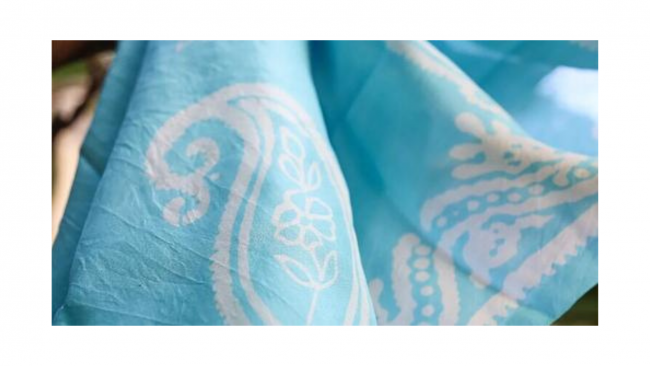
Silk production has a very long history in Azerbaijan, including in Shaki. Shaki has been a region where silk-making traditions have been preserved for centuries. Throughout history, silk production has held a special place in the lives and daily routines of Shaki residents. In the Middle Ages, Shaki was considered one of the largest silk producers and weaving centers not only in Azerbaijan but also in the Near and Middle East. This ancient region became famous worldwide for its silk. The colorful traditional scarves (kelagayi) and delicate fabrics made from raw silk by Shaki artisans were exported to several countries around the world.
Ancient silk traditions are preserved in ShakiThe ancient silk traditions in Shaki continue to be preserved and developed today. “Azeripek” LLC (formerly “Shaki-Silk” ASC), which operates in this city, is considered one of the largest industrial enterprises in the country. Thanks to the direct attention and support of President Ilham Aliyev, recent measures aimed at developing sericulture and creating modern silk production infrastructure have significantly revitalized the activity of “Azeripek” LLC. Currently, the enterprise has six production units – silk reeling, twisting, weaving, dyeing-decoration, as well as sorting and carpet units, employing a total of 314 workers.
The AZERTAC regional correspondent visited the dyeing-decoration production unit of “Azeripek” LLC to observe the operations. Here, the traditional silk scarves of Azerbaijani women are produced.
Shaki kelagayi continues to be in high demandProduction manager Qudrat Guliyev has been working at the enterprise for 40 years. According to him, kelagayi was previously produced in small workshops owned by the Silk Combine in the city. Taking into account the demand for kelagayi, a separate production unit – kelagayi workshop – was established within the enterprise in 2002, and the activities of the small workshops were discontinued. Qudrat Guliyev has been managing this unit since then.
Kelagayi-making has a very long history in Shaki. This craft has been passed down from generation to generation to the present day. The demand for Shaki kelagayi has always been high. Kelagayi, considered a symbol of modesty, virtue, and femininity for Azerbaijani women and brides, has retained its value in modern times.
Qudrat Guliyev noted that in earlier times, kelagayi was sold abroad only in its boiled and bleached form, without patterns or dyes. At that time, 20-30 thousand plain kelagayi were produced per month. After the dyeing-decoration production unit was established, the process of patterning and dyeing silk kelagayi in various colors began.
The kelagayi production process consists of several stagesCurrently, the entire kelagayi production process is carried out within the enterprise. The process consists of several stages. Silk threads produced in the twisting unit are sent to the weaving unit. High-quality thin silk fabric woven on modern looms is then cut to the required size for kelagayi and transferred to the dyeing-decoration unit. In this unit, the silk fabric is first boiled in hot water with soda to remove adhesives and other substances, then rinsed lightly in cold water and dried. Afterwards, the patterning stage of the kelagayi begins.
Currently, 18 workers are employed in the dyeing-decoration production unit. Their monthly salaries range from 300 to 500 AZN. Most of them have been working in this unit for many years and are deeply committed to their profession.
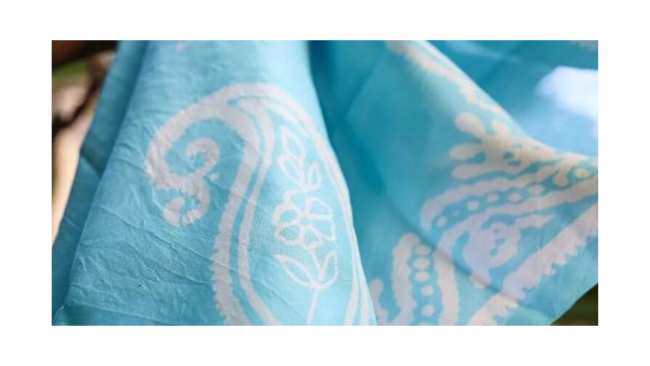
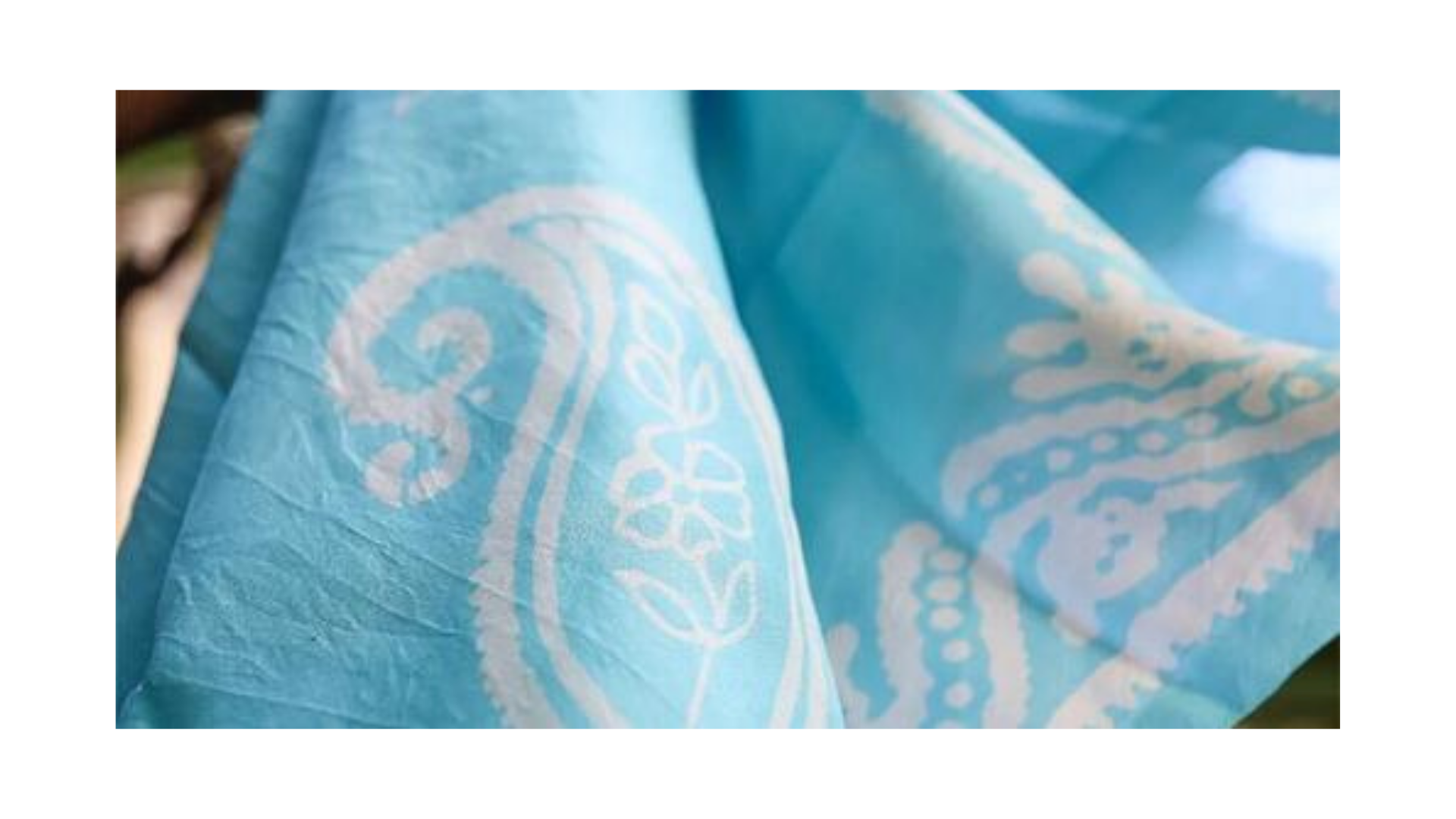
The workers in the dyeing-decoration unit are skilled masters of their craftTechnologist Irada Hamidova has also been working in the enterprise for 40 years, currently supervising technological processes. Patterning unit workers Gunes Mammadova and Nigar Amikishieva have been working in this field for 5 and 17 years, respectively, and are masters of their craft. Each worker patterns 20-25 kelagayi per day. The edges (yelani) and center (khoncha) of kelagayi are decorated with geometric and botanical patterns using the batik technique. Overall, 100-150 kelagayi are patterned daily. Wooden and metal molds are used for patterning, which incorporate national ornaments, especially the buta motif, as well as crown, flower, and strawberry shapes.
After patterning, the kelagayi is sent to the dyeing unit. According to dyer Natiq Mammadov, natural dyes are preferred, and chemical dyes are used minimally.
Kelagayi produced at “Azeripek” LLC is exported to several countriesCurrently, the dyeing-decoration unit produces 2-2.5 thousand patterned and up to 30 thousand plain kelagayi per month according to orders. The produced kelagayi, silk scarves, and various head coverings are exported to Russia, Iran, and the United Arab Emirates, and are also sold domestically in the enterprise’s own store. A 150×150 cm patterned floral kelagayi is priced at 49-60 AZN.
Azerbaijani kelagayi art is recognized internationallyAccording to production manager Qudrat Guliyev, thanks to the efforts of Azerbaijan's First Vice President, President of the Heydar Aliyev Foundation, and UNESCO and ISESCO goodwill ambassador Mehriban Aliyeva, Azerbaijani kelagayi art was included in UNESCO's Representative List of the Intangible Cultural Heritage in November 2014. Since then, interest in kelagayi has increased even more. The enterprise’s team expressed gratitude to President Ilham Aliyev and First Vice President Mehriban Aliyeva for their attention and support in preserving and promoting the country’s cultural and national heritage.

 +99451 277 72 11

Follow us on social media